Aluminum Casting Company strategies to enhance corrosion resistance
Why Aluminum Foundry Casting Continues To Be a Top Option for Lightweight, High-Performance Elements
Aluminum foundry casting has developed itself as a leading approach for producing lightweight, high-performance elements. Its exceptional strength-to-weight proportion, coupled with excellent rust resistance, makes it a desirable option throughout numerous industries. The convenience in style and production procedures boosts its charm. As makers seek affordable and sustainable options, aluminum casting remains to adjust. This questions concerning its future function and the arising trends that could shape its usage in innovative applications.
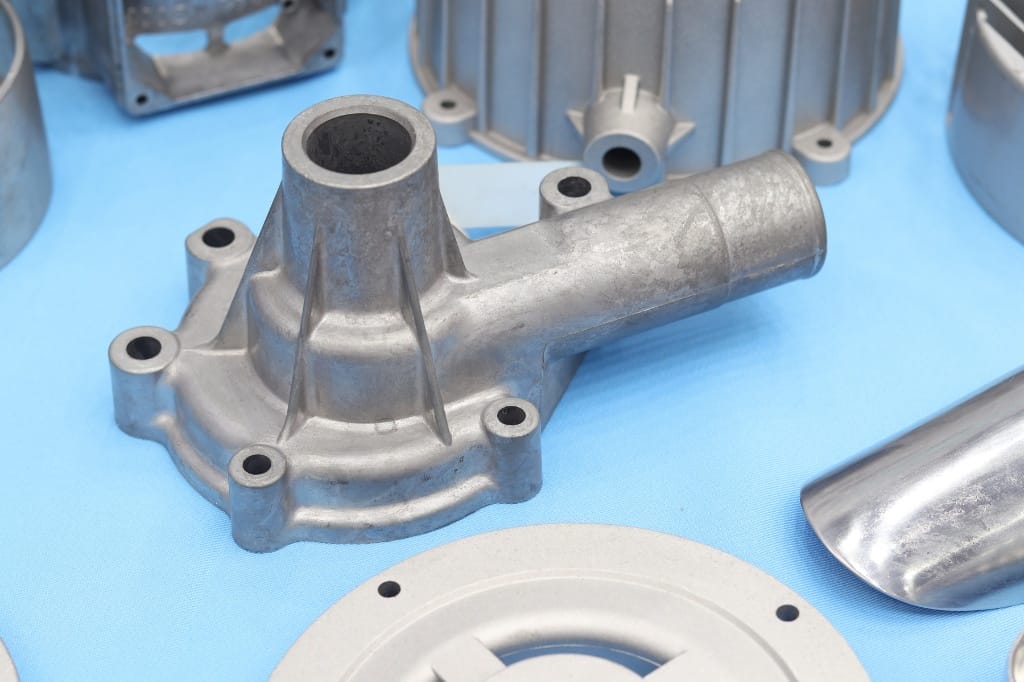
The Strength-to-Weight Benefit of Aluminum
Different products are used in casting procedures, aluminum stands out due to its remarkable strength-to-weight proportion. This residential property makes aluminum an excellent option for industries that focus on efficiency and performance, such as aerospace and automotive. The light-weight nature of aluminum enables decreased gas consumption and raised payload ability, important in competitive markets. Additionally, aluminum's high strength guarantees that parts can withstand substantial anxiety and stress, keeping structural stability without including unnecessary weight. This mix of stamina and lightness makes it possible for designers to design ingenious products that enhance performance while reducing energy usage. Moreover, the adaptability of aluminum permits complex forms and layouts, increasing its applications across numerous fields. As makers continue to look for materials that contribute to sustainability and effectiveness, aluminum's strength-to-weight benefit stays an essential consider its enduring popularity in foundry casting.
Outstanding Deterioration Resistance and Longevity
Rust resistance is just one of aluminum's most significant attributes, making it an outstanding selection for foundry casting applications. Aluminum's all-natural oxide layer supplies a protective barrier that protects against degeneration from environmental aspects such as dampness, salt, and various chemicals. This intrinsic building enables aluminum elements to preserve their architectural stability and appearance with time, even in harsh problems.
Additionally, aluminum's toughness extends its life-span, minimizing the need for regular replacements and upkeep. This particular is particularly beneficial in industries such as automotive and aerospace, where components are exposed to severe atmospheres. The lightweight nature of aluminum, incorporated with its deterioration resistance, warranties that parts can execute accurately without including unnecessary weight.
Adaptability in Design and Manufacturing
As the need for cutting-edge solutions in different sectors grows, aluminum foundry casting demonstrates impressive versatility in layout and production. This strategy enables the development of complicated geometries and detailed information that are typically challenging to accomplish with various other products or approaches. Aluminum's light-weight nature integrated with its ability to be molded into numerous shapes makes it ideal for applications ranging from auto elements to aerospace structures.
Additionally, aluminum foundry casting supports a vast array of style modifications, making it possible for producers to tailor items to details performance requirements and appearances. The adaptability of aluminum alloys additionally boosts this process, enabling for the optimization of mechanical properties based upon the designated application.
This flexibility not just simplifies the style process but additionally facilitates fast prototyping, allowing faster market entrance for cutting-edge products. Ultimately, aluminum foundry casting stays a preferred selection for engineers seeking efficiency without giving up top quality in element layout.

Cost-Effectiveness and Efficiency in Production
Aluminum foundry casting not just uses style flexibility however also supplies significant cost-effectiveness and performance in manufacturing. This approach permits the development of complex shapes with minimal material waste, reducing overall expenses. The reduced melting factor of aluminum requires less power contrasted to various other steels, adding to reduced operational expenses. The rapid production cycles connected with aluminum casting help with quicker turn-around times, enabling producers to meet market demands efficiently.
Additionally, the capacity to produce huge quantities in a single run decreases labor expenses and enhances productivity. The usage of innovative casting innovations, such as sand casting and die casting, streamlines the production procedure, making certain consistent quality and performance (Aluminum Foundry). Generally, these variables make aluminum foundry casting a financially feasible option for companies looking for lightweight, high-performance elements while maximizing their manufacturing performance
Ecological Advantages of Aluminum Casting
Aluminum casting offers significant environmental benefits, primarily due to the product's high recyclability. This process commonly calls for less power compared to other steels, contributing to a reduced general power usage. In addition, the use of aluminum can cause a minimized carbon impact, making it a more lasting selection in manufacturing.
Recyclability of Aluminum
While the manufacturing of aluminum involves considerable power usage, its impressive recyclability uses substantial ecological benefits. Aluminum can be recycled indefinitely without shedding its residential properties, making it a sustainable option for numerous applications. The recycling procedure requires only a fraction of the energy needed for key manufacturing, therefore minimizing general carbon emissions and preserving all-natural sources. This capability to redeem and reuse aluminum not only reduces waste in land fills but additionally sustains a round economic climate. In addition, the prevalent availability of established recycling programs and facilities helps with the effective healing of aluminum scrap. The recyclability of aluminum contributes substantially to environmental sustainability, straightening with the growing need for green manufacturing procedures in the foundry market.
Low Power Intake
The low energy intake connected with aluminum casting provides significant ecological advantages, also improving the steel's sustainability profile. Unlike various other steel casting processes, aluminum casting calls for much less energy throughout its lifecycle. The melting point of aluminum is fairly low, which indicates that less fuel is needed for home heating contrasted to heavier metals. Furthermore, aluminum's exceptional thermal conductivity allows for efficient warmth transfer during casting, minimizing energy loss. This efficiency translates into reduced functional costs and a lessened environmental impact. Furthermore, the ability to reuse aluminum several times without deteriorating its properties adds to overall power cost savings. By picking aluminum casting, sectors can embrace a more lasting approach, stabilizing efficiency needs with ecological responsibility.
Decreased Carbon Impact
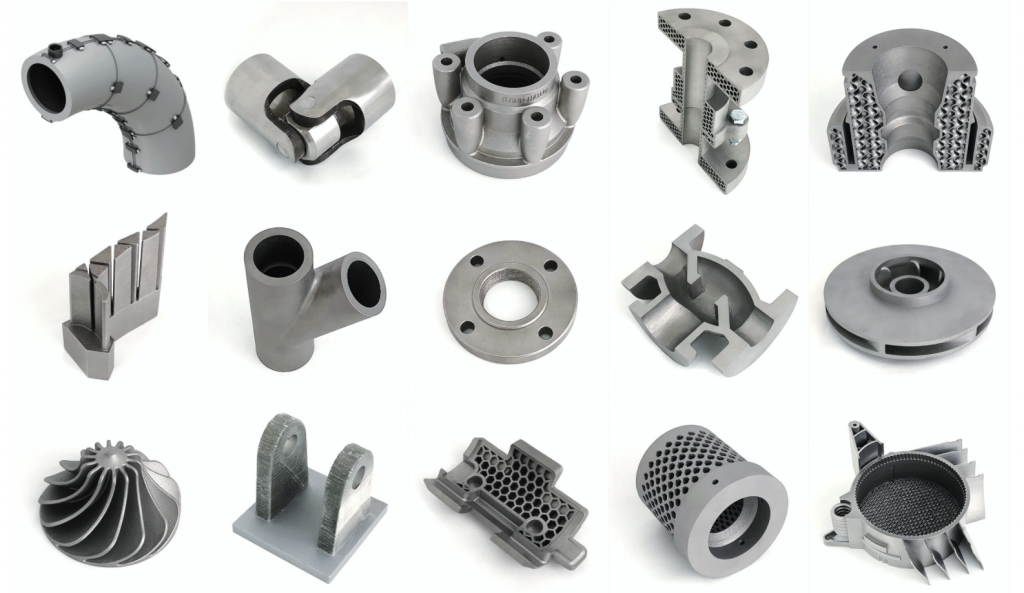
Applications Across Different Industries
Aluminum foundry casting serves a vital function throughout countless industries, showcasing its convenience and flexibility. In the automotive sector, it is utilized for producing lightweight elements, improving fuel effectiveness and performance. Aerospace applications gain from aluminum castings as a result of their high strength-to-weight ratio, which contributes to boosted airplane efficiency.
In the electronic devices market, aluminum spreadings are made use of for real estate and warmth sinks, offering excellent thermal conductivity and defense for sensitive components. aluminum casting. The building and construction sector makes use of aluminum castings for different architectural and architectural aspects, guaranteeing durability and visual appeal
In addition, the clinical sector integrates aluminum spreadings for customized tools, where accuracy and integrity are critical.
Future Trends in Aluminum Foundry Casting
As industries evolve, the future of aluminum foundry casting is positioned for significant developments driven by technological advancements and raising sustainability needs. One significant pattern is the integration of automation and robotics, boosting accuracy and efficiency in casting processes. This change not just reduces labor prices yet likewise minimizes human mistake, causing better results.
Furthermore, developments in alloy development are expected to produce lighter and more powerful materials, additionally expanding the applications of aluminum spreadings. The adoption of environment-friendly practices, such as utilizing recycled aluminum and energy-efficient melting methods, lines up with worldwide sustainability objectives, interesting environmentally mindful consumers.
Furthermore, the increase of additive manufacturing modern this article technologies is likely to allow extra complicated geometries and customized styles, broadening layout possibilities. Collectively, these fads indicate a vibrant future for aluminum foundry casting, positioning it as an important part in the production of cutting-edge, light-weight, and high-performance components throughout various sectors.
Regularly Asked Inquiries
How Does Aluminum Casting Compare to Various Other Materials in Efficiency?
Aluminum casting typically offers premium strength-to-weight ratios, excellent corrosion resistance, and far better thermal conductivity contrasted to several other products. It permits intricate designs and affordable manufacturing, making it a favored option in various applications.
What Are the Temperature Level Boundaries for Aluminum Cast Elements?
Aluminum cast elements typically hold up against temperatures approximately 400 ° F (204 ° C) for prolonged use, although particular alloys might endure higher temperatures (Precision aluminum casting). Yet range, residential properties like strength and ductility might substantially weaken, impacting total performance
Can Aluminum Casting Be Recycled, and Just how?
Aluminum casting can be reused effectively. Scrap aluminum is melted down, purified, and reformed into brand-new items, significantly minimizing energy intake and environmental influence compared to primary aluminum manufacturing, therefore advertising sustainability in manufacturing procedures.
What Are the Usual Issues in Aluminum Foundry Casting?
Common flaws in aluminum foundry casting include porosity, shrinkage, misruns, cold shuts, and surface area blemishes. These problems can occur from poor putting techniques, incorrect temperature control, or contamination during the casting process, impacting overall quality.
How much time Does It Generally Take to Create Aluminum Castings?
Commonly, producing aluminum spreadings takes between a few days to a number of weeks. Aspects include mold and mildew intricacy, production quantity, and the specifics of the casting procedure, influencing the general timeline for completion.
As the demand for innovative remedies in different sectors grows, aluminum foundry casting demonstrates remarkable flexibility in layout and production. Aluminum foundry casting not just provides layout versatility yet additionally delivers substantial cost-effectiveness and performance in production. Unlike various other steel casting procedures, aluminum casting requires less energy throughout its lifecycle. Aluminum casting is naturally more information a lot more lasting compared to other products due to aluminum's recyclability and reduced emissions during manufacturing. Recycled aluminum calls for only 5% of the power required for primary aluminum production, considerably decreasing greenhouse gas emissions.